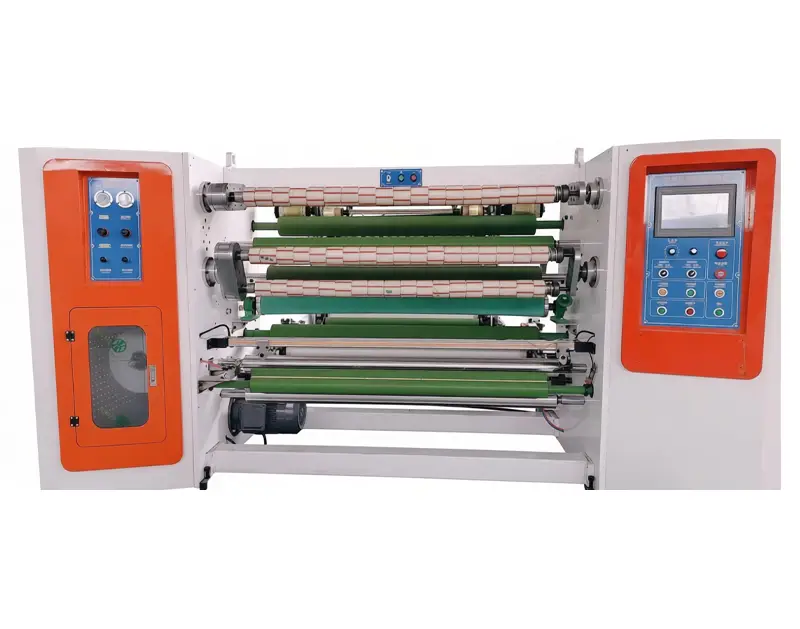
Приобретение машины для продольной резки ленты часто является первым важным решением для производителей ленты, желающих расширить мощности. Перед вами одновальные, двухвальные и четырехвальные автоматические револьверные продольно-строгальные станки - различные конфигурации по разным ценам - как сделать выбор? В этой статье мы рассмотрим ключевые факторы принятия решения с четырех точек зрения: точность, эффективность, инвестиционные затраты и сценарии применения.
1. Понимание основного компромисса: точность против эффективности
Основной принцип работы ленторезательной машины прост: разрезать большой рулон на готовые рулоны заданной ширины. Однако конструктивные цели и эксплуатационная направленность машин с разным количеством валов существенно различаются.
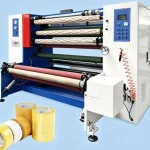
Одновальный автоматический продольно-строгальный станок
Имеет только один перемоточный шпиндель. Каждый раз, когда рулон заканчивается, машина должна останавливаться для выгрузки, загрузки новых сердечников и повторного запуска. За один цикл обрабатывается всего несколько рулонов. Преимуществом машины является высокая точность - теоретически она может резать материалы толщиной до 0,25 мм с допуском ±0,02 мм. Недостатком является низкая производительность и значительное время простоя для смены рулонов.
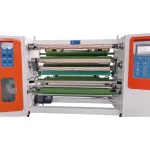
Двухвальный автоматический продольно-строгальный станок
Имеет два вала перемотки. Пока один вал перематывает, другой может разгружаться и перезагружаться, обеспечивая полунепрерывную работу. Эффективность почти вдвое выше, чем у одновальной машины. Однако допуск на продольную резку у двухвальных и многовальных машин обычно больше, чем у одновальных.
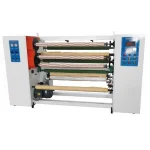
4-вальный / 8-вальный автоматический револьверный слайсер
Оснащен четырьмя или более перемоточными валами, расположенными в турельной конструкции, что позволяет автоматически индексировать их - пока один комплект валов перематывает рулон, другой одновременно выгружает готовые рулоны и загружает новые сердечники. Машина с 4 валами идеально подходит для крупносерийного безостановочного производства рулонов упаковочной ленты диаметром до 260 мм. Станок с 8 валами обеспечивает еще большую производительность, хотя и с некоторыми потерями в плавности работы.
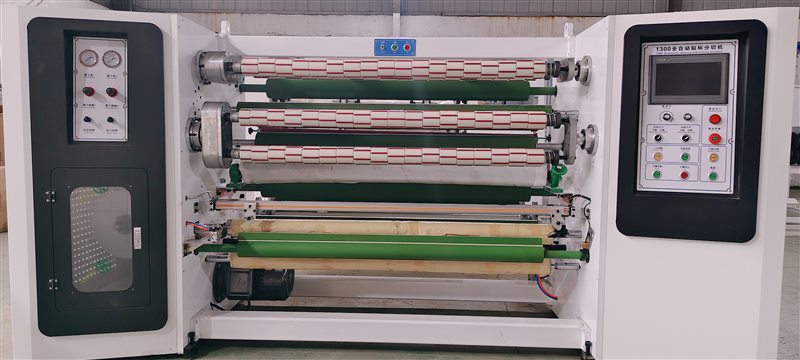
2. Выбор по масштабу производства: поэтапный подход
Начало производства / мелкосерийное производство: выберите модель с одним валом и сервоподачей.
Если ваши заказы - это небольшие партии с большим количеством вариантов (например, ленты с печатью на заказ, пробные партии, защитные пленки), то оптимальным выбором будет одновальный слайсер. Он обеспечивает высокоточную резку с помощью сервоподачи, управляемой ПЛК, что делает его подходящим для специальных лент и высекаемых материалов малого диаметра. При выборе одновальной машины предпочтение следует отдавать сверхпрочным конструкциям с вертикальным подъемом хвостовой бабки - они предотвращают вибрацию шпинделя и задиры торцов при резке лент большого диаметра или трудновырезаемых материалов.
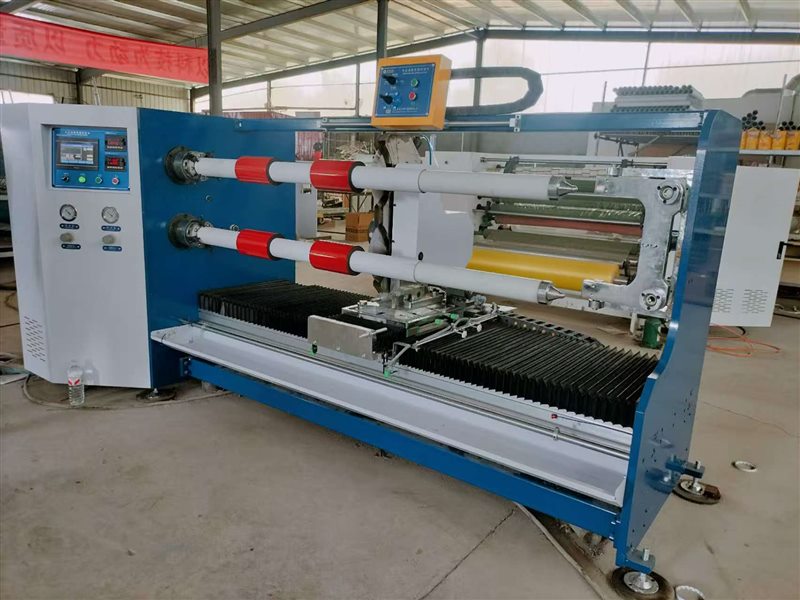
Растущий бизнес / средняя производительность: выбирайте двухвальный автоматический револьверный слайсер.
На этом этапе вам нужны и скорость, и гибкость. Машина с двумя валами позволяет выгружать готовые рулоны и загружать новые сердечники без полной остановки производства, что примерно вдвое увеличивает непрерывную производительность. Машина может работать с рулонами диаметром до 200 мм и идеально подходит для клиентов, часто переключающихся между упаковочной лентой BOPP и электрической лентой ПВХ.
Крупносерийное / круглосуточное производство: выберите 4- или 8-вальный полностью автоматический револьверный слайсер.
Когда заказы требуют круглосуточной работы, средства повышения эффективности окупаются многократно. Револьверная конструкция значительно сокращает непроизводительные простои. Благодаря 4 перемоточным валам, расположенным двумя парами, одна пара перематывает, а другая разгружает и перезагружает. Машина может работать со скоростью до 280 м/мин, обрабатывать рулоны диаметром до 800-1200 мм и производить рулоны диаметром до 260 мм. Модель с 8 валами обеспечивает еще более высокую производительность, особенно при крупносерийном производстве рулонов малого диаметра, таких как электрическая лента ПВХ, лента васи и акриловая лента.
3. Боковое сравнение параметров
| Характеристика | Одновальный щелерез | Двухвальный щелерез | Четырехвальный револьверный рассекатель |
|---|---|---|---|
| Количество валов | 1 станция перемотки | 2 вертикальные станции | 2 пары / 4 вала |
| Допуск на шлицевание | ±0,02 мм | Больше, чем одновальные | Больше, чем двухвальные |
| Максимальный диаметр рулона | Зависит от задней бабки (некоторые >300 мм) | ≤ 200 мм | ≤ 260 мм |
| Возможность использования лент различных типов | Превосходно (бритва, ножницы, резка по контуру) | Умеренный (в основном упаковка/электрооборудование) | Высокий (общее назначение + некоторые электронные ленты) |
| Автоматизация и переналадка | Ручная разгрузка/погрузка | Полуавтоматический с пневматической разгрузкой | Безостановочная смена револьвера + независимый контроль натяжения |
4. Детали, которые часто упускают из виду, но которые очень важны
При покупке слайсера несколько факторов напрямую влияют на долгосрочную производительность и качество.
Уровень автоматизации и управление с помощью ПЛК
Повышенная автоматизация снижает трудозатраты и повышает эффективность. Высокотехнологичные продольно-строгальные станки используют ПЛК Siemens для интегрированного управления, обеспечивают автоматическое обнаружение сращивания, безостановочную перемотку и рекуперацию отходов, достигая скорости более 500 м/мин. Если бюджет ограничен, а производство не круглосуточное, может быть достаточно полуавтоматической машины среднего уровня.
Выбор лезвия для различных материалов
Для эффективной резки необходимо подобрать тип ножа в соответствии с основой (БОПП, ПВХ, ПЭ, малярный скотч, двусторонняя лента и т. д.). Наиболее распространены бритвенные лезвия; ножницы используются для более толстых лент и некоторых жестких материалов; лезвия для зачистки подходят для неровных поверхностей. Для 4-вальных машин большие ножницы лучше всего подходят для клея с большим весом.
Контроль натяжения для стабильного качества рулона
Одновальные машины проще и требуют меньшего обслуживания. Для многовальных машин независимый контроль натяжения на каждом валу имеет решающее значение для предотвращения телескопирования, образования складок или неравномерной намотки. Высокотехнологичные 4-вальные машины должны быть оснащены дифференциальным скольжением валов и независимым контролем натяжения с несколькими двигателями, чтобы обеспечить плотную и равномерную намотку каждого готового рулона.
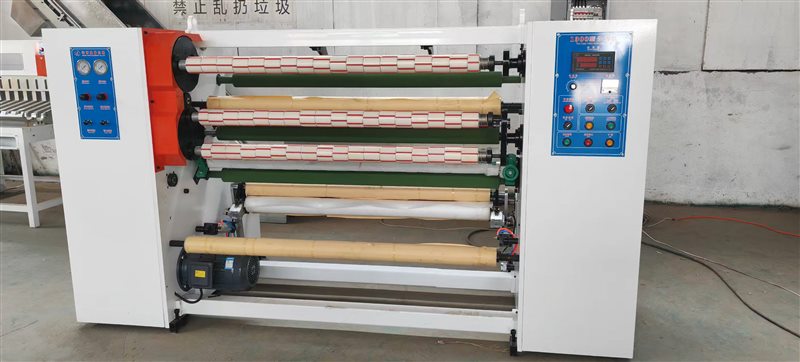
5. Какие флагманские характеристики следует искать в 4-вальном револьверном слайсере?
Если вы решили инвестировать в 4-вальный автоматический револьверный слайсер, обратите внимание на эти передовые характеристики:
- Рабочая ширина: 1300 мм
- Минимальная ширина прорези: 12 мм
- Максимальный диаметр перемотки: ≥260 мм
Дополнительные опциональные функции:
- Автоматическая маркировка и намотка индексов - При достижении заданной длины машина наносит этикетку и автоматически индексирует следующий вал.
- Дифференциальное независимое управление натяжением серводвигателя - Каждый вал перемотки регулирует крутящий момент индивидуально, обеспечивая постоянную плотность прилегания рулона и исключая скручивание краев или образование морщин.
- Ультразвуковая автоматическая направляющая кромок + полный пневматический расширительный вал - повышает точность выравнивания и значительно сокращает ручные усилия при загрузке/выгрузке рулонов.
Последний совет: подберите машину в соответствии с вашими текущими возможностями, но оставьте место для роста
Если вы разрезаете несколько типов ленты (не только упаковочную, но и малярную, двустороннюю и т. д.), подумайте о более универсальной конфигурации. Высокое качество ленты в значительной степени зависит от индивидуальных настроек параметров. Попросите поставщика показать видеоролик, демонстрирующий стабильную работу при уровне шума ниже 75 дБ.
Покупка слайсера - это не просто решение о цене, это фиксация производственных мощностей на ближайшие три-пять лет. Данные рынка показывают, что переход с двухвального на 4-вальный револьверный слайсер позволяет сократить затраты на оплату труда вдвое и значительно увеличить эффективное время работы в день.
Команда Dalian Jiuying предлагает оценку линии на месте и индивидуальный подбор оборудования. Если вы находитесь на стадии принятия решения о модернизации вашей линии продольной резки, не стесняйтесь обращаться к нам. Мы предоставим четкое предложение по конфигурации и технические данные на основе ваших типов заказов и фактической рабочей ширины.
Если вы собираетесь инвестировать в лентопротяжный станок или модернизировать имеющееся оборудование, пожалуйста, свяжитесь с нами. Наша команда экспертов может предоставить индивидуальные консультации и поддержку на протяжении всего производственного процесса. Чтобы задать вопрос или узнать больше, свяжитесь с компанией Jiuying (JY) прямо сейчас.
📞 Телефон: +86-13394110095
📧 Электронная почта: liu@weldcnc.com
🌐 Веб-сайт: https://www.toproductline.com/